I Tried to Be Normal Raccoon SVG: A Designer's Review
As someone who spends more time staring at stitch simulations than actual sunsets, I approach every new digital embroidery file with a mix of excitement and skepticism. We've all been there: you download a cute graphic, load it into your software, and realize the lines are too thin for satin stitch or the details will vanish on a textured towel. That is exactly why I took a close look at the I Tried to Be Normal Funny Raccoon SVG P. This isn't just a quick glance at a thumbnail; this is an evaluation of how this design holds up when you are trying to create a high-quality handmade product for a paying customer or a beloved friend.
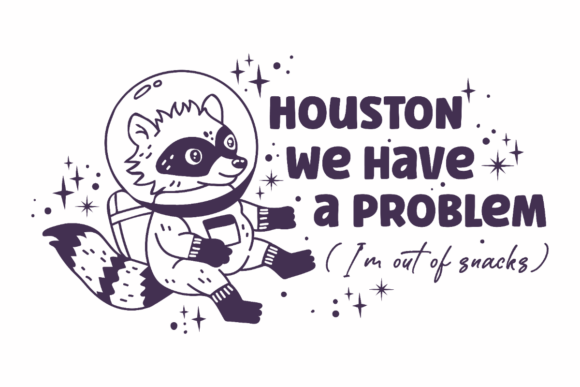
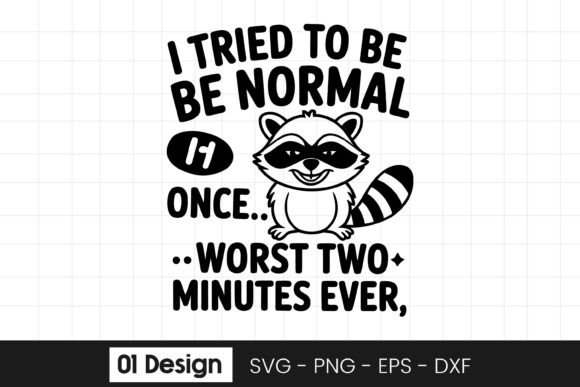
The first thing that strikes me about this design is its personality. The phrase "I Tried to Be Normal" paired with a raccoon motif hits a very specific, relatable note. In the current market, craft business owners know that humor sells, especially when it taps into the "chaotic but cute" aesthetic that is so popular right now. Visually, the layout feels balanced. The typography appears sturdy enough to handle thread without losing legibility, and the raccoon illustration has a charm that translates well from screen to fabric. It creates a mood that is playful yet slightly rebellious, making it an ideal candidate for custom apparel aimed at teens, young adults, or anyone who identifies with the struggle of adulting.
Real-World Application: The Sweatshirt Test
To truly gauge the value of this asset, I imagined a specific real-life scenario: creating a limited run of hoodies for a boutique shop's fall collection. The goal was to produce a sweatshirt embroidery piece that feels premium but approachable. When visualizing the I Tried to Be Normal Funny Raccoon SVG P on a heavy cotton blend, the design shines. The boldness of the text suggests it would work beautifully with a fill stitch, providing good coverage and durability. The raccoon element, depending on its complexity in the source file, could be digitized as an applique design or a detailed fill, adding texture and dimension to the garment.
For an Etsy seller, this kind of versatility is gold. You aren't just selling a shirt; you are selling a statement. If you were to use this for a tote bag design, the contrast between the whimsical message and the utility of the bag creates a fun juxtaposition. It works equally well as a personalized gift for a teacher, a nurse, or a student who needs a laugh during finals week. The key here is that the design doesn't feel generic. It has enough character to stand out in a crowded marketplace of small shop products, helping to build brand recognition for the maker who uses it wisely.
Technical Considerations for Stitching
However, enthusiasm must be tempered with technical reality. Before committing to a full production run, there are several factors to consider regarding how this machine embroidery design interacts with different materials. While the description notes it works beautifully with cutting machines and design software, converting an SVG intended for vinyl into a stitch file requires careful attention to stitch density.
If you are planning to use this on a textured fabric like a waffle knit or a looped towel, you need to ensure the lettering is thick enough. Thin running stitches can get lost in the pile of the fabric, rendering the punchline invisible. Similarly, if you are working with stretchy fabric like a jersey t-shirt, the stability of the text becomes critical. Without the right stabilizer and potentially a backing layer, the "Normal" in the text could warp after the first wash, turning your professional finished product into a wrinkled mess.
Dark fabrics present another challenge. If you are stitching this onto a black hoodie, you must verify that the design includes underlay stitches or plan your digitizing to account for the background color. The raccoon's features, particularly around the eyes and mask, need sufficient contrast. A poor choice of thread colors here could muddy the expression, losing the comedic effect that makes the design special. Always test your thread choices against the fabric swatch first; what looks vibrant on the screen might look dull on navy blue fleece.
Navigating Small Hoops and Curved Surfaces
Another practical hurdle is the size of the design relative to your hoop size. If you intend to place this on a cap or a structured hat, you are dealing with a curved surface and a smaller working area. Caps are notoriously difficult for text-heavy designs. The curvature can distort the reading of the phrase, and the seam at the front of the cap can interfere with the stitching path. For a project like this, a flat embroidered patch might be a smarter route. You can stitch the design on a stable backing, cut it out, and then applique it onto the cap. This ensures the integrity of the text and allows for placement flexibility that direct embroidery on a cap often restricts.
Furthermore, tiny details in the raccoon's fur or whiskers might not survive the scaling down required for a small hoop. If the original SVG has intricate linework, those details might need to be simplified or removed entirely to prevent thread breaks and bird nests. This is where the role of the designer becomes crucial. You are not just pressing "start"; you are adapting the design assets to fit the physical constraints of the machine and the medium.
Maximizing Value and Professionalism
Ultimately, the success of using the I Tried to Be Normal Funny Raccoon SVG P comes down to execution. When done correctly, this design elevates the perceived value of your items. A well-stitched version of this graphic on a high-quality blanket or pillow cover makes for an exceptional holiday embroidery gift. It signals to the buyer that thought went into the selection of the motif and the quality of the construction. This builds customer trust, which is the currency of any successful craft business.
For those creating printable mockups or digital previews for their online stores, this graphic offers strong visual appeal. Its clear lines and humorous message make it highly "clickable" in social media feeds. However, remember that the digital preview is a promise, and the physical item is the delivery. Ensure that your commercial embroidery efforts match the hype of the mockup.
Final Designer Notes and Best Practices
Before you integrate this into your workflow, keep these practical steps in mind:
- Test on Scrap First: Never skip the stitch-out on a scrap piece of the actual fabric you intend to use. This reveals issues with tension and density immediately.
- Check Licensing: The product description mentions it is perfect for crafters and designers, but always confirm the specific license terms. Can you sell the finished physical item? Can you resell the digital file? Clarity here protects your business.
- Review Digitizing Settings: Since this is provided as an SVG/PNG, you will likely need to digitize it yourself or purchase a separate embroidery file version. Pay close attention to pull compensation and underlay settings.
- Contrast is Key: Ensure your thread colors pop against the fabric. High contrast improves readability and visual impact.
- Consider the Audience: This design fits well with baby embroidery (for the parents' sake), teen fashion, and novelty home decor. Match the product to the demographic.
In conclusion, the I Tried to Be Normal Funny Raccoon SVG P is a versatile and engaging asset for the modern maker. It bridges the gap between trendy digital graphics and tangible, stitched art. With careful attention to fabric choice, stabilization, and digitizing techniques, it can become a staple in your portfolio of Graphics and Crafts. Whether you are stocking an Etsy shop or making gifts for family, this design offers a fun, reliable foundation for creative expression—provided you respect the technical demands of the needle and thread.