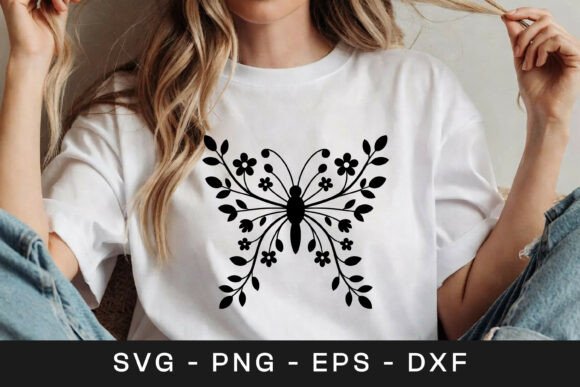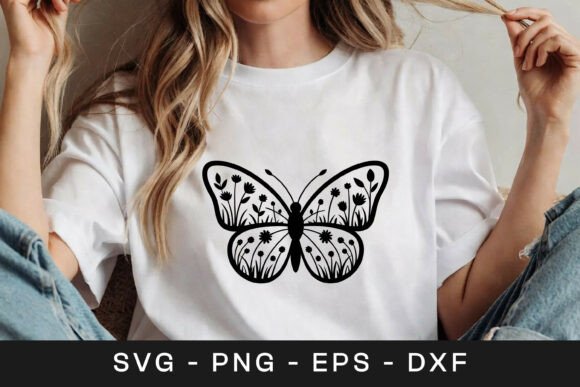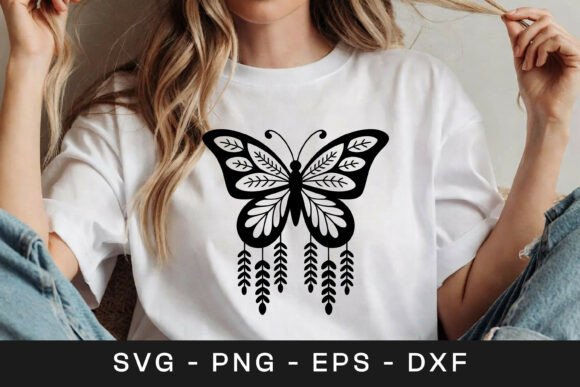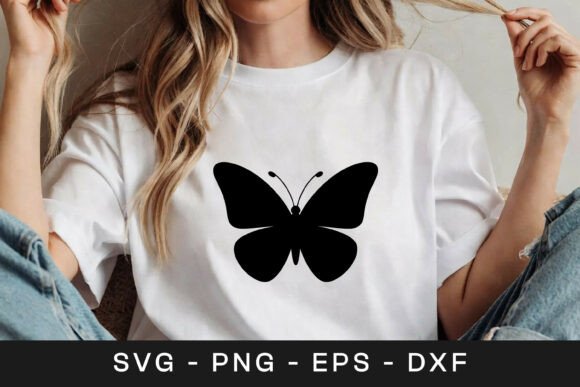
Review: Artistic Butterfly Linework Design SVG
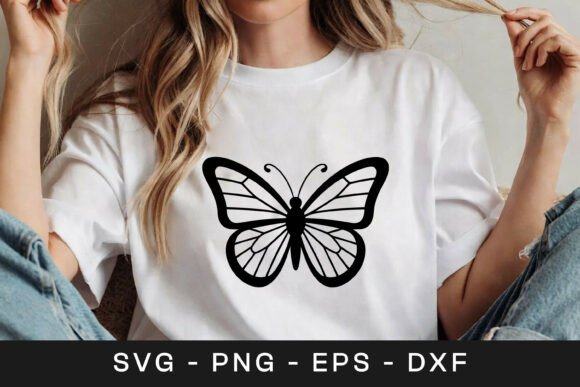
When I first pulled up the Artistic Butterfly Linework Design SVG on my screen, my immediate reaction was one of relief. In a market saturated with overly complex, stitch-heavy files that eat up thread and time, this design offers a refreshing minimalism. As a designer who spends hours digitizing and reviewing files for client projects, I look for versatility above all else. This graphic doesn't just sit there; it invites adaptation. The linework is clean, suggesting a modern aesthetic that fits perfectly into current trends for boutique branding and personalized gifts. It feels less like a generic clipart image and more like a thoughtful piece of art ready to be translated into thread.
First Impressions and Visual Personality
The mood of this design is airy and organic. Unlike traditional butterfly motifs that rely on dense fill stitches or heavy satin columns, this linework approach relies on the negative space to do the heavy lifting. For an embroidery project, this is a significant advantage. The visual personality is delicate yet confident, making it suitable for a wide range of demographics, from nursery decor for baby embroidery to chic apparel for young adults. When viewing the file in your design software, you can immediately see how the lines flow. There are no jagged edges or confusing pathing that often plague lower-quality graphics. For crafters and designers, this means less time cleaning up nodes and more time focusing on fabric selection and thread pairing.
Real-World Application: The Custom Tote Bag Scenario
To truly evaluate a digital embroidery file, I have to imagine it stitched out. Let's consider a real-life scenario: a small shop owner preparing a run of custom canvas tote bags for a spring market. The Artistic Butterfly Linework Design SVG is an ideal candidate here. Canvas has a distinct weave, and heavy designs can sometimes distort the fabric or feel too stiff. Because this design utilizes linework, likely translating well to running stitch or a light satin stitch, it sits beautifully on the textured surface without overwhelming it.
I envision stitching this in a monochromatic scheme—perhaps a soft sage green thread on a natural cotton bag. The result would be understated and elegant, appealing to customers who prefer subtle branding over loud logos. The design scales well, meaning it could be resized to fit a corner placement or centered as a main feature without losing its integrity. For an Etsy seller, this kind of versatility translates directly to sales, as the same design asset can be used for tea towels, aprons, or even layered onto a leather patch for a rustic vibe.
Navigating Fabric Challenges and Stitch Density
While the design is robust, practical application requires caution. When working with stretchy fabrics like jersey knits for sweatshirt embroidery or baby clothes, the open nature of linework can sometimes be forgiving, but stabilization is key. If the lines are too thin, they might get lost in the pile of a fleece hoodie. In such cases, I would recommend testing the design on a scrap piece of the actual fabric first. You need to ensure the stitch density is appropriate for the material. On dark fabrics, the contrast becomes critical. A single line of white thread might pop beautifully, but if the design relies on intricate details, ensure your thread colors provide enough definition against the background.
Curved surfaces present another challenge. If you plan to use this on a cap, the structural seams can interfere with the wingspan of the butterfly. The linework might need slight adjustment in your software to accommodate the curve of the front panel. Similarly, for very small hoop sizes, verify that the finest details of the linework won't merge together during stitching. A professional touch involves checking these small details before committing to a full production run.
Enhancing Brand Value and Customer Trust
In the world of handmade products, presentation is everything. Using a high-quality graphic like this elevates the perceived value of the finished product. Customers can tell the difference between a pixelated, poorly executed design and one that looks intentional and crisp. The Artistic Butterfly Linework Design SVG contributes to brand consistency. If your small shop focuses on nature-inspired or minimalist themes, this design reinforces that identity. It builds trust; a clean stitch job implies a careful maker. Whether it's a holiday gift or a wedding favor, the professionalism of the embroidery reflects directly on the creator's reputation.
Practical Notes for the Studio
Before you start stitching, here are a few essential steps to ensure success with this design:
- Test on Scrap Fabric: Always run a test stitch-out on the same type of fabric you intend to use for the final product to check for puckering or registration issues.
- Check Thread Contrast: View your design in black and white mockups to ensure the linework stands out clearly without relying solely on color.
- Stabilizer Selection: Choose a stabilizer that matches your fabric weight. Cut-away stabilizer is often safer for linework on stretchy garments to prevent distortion over time.
- Verify Licensing: Since this falls under Graphics and Crafts, confirm the license terms if you plan to sell the finished items commercially or use the file in digital product previews.
- Inspect Small Details: Zoom in on the vector file to ensure there are no stray points or overlapping paths that could cause machine errors.
Final Verdict for Craft Entrepreneurs
The Artistic Butterfly Linework Design SVG is a strong addition to any designer's library. It bridges the gap between artistic expression and technical feasibility. For those running a craft business, time is money, and a design that requires minimal troubleshooting while delivering maximum visual impact is gold. It works exceptionally well for custom apparel, home decor, and personalized gifts where a light touch is preferred. While it may require some tweaking for extremely textured fabrics or tiny applications, its adaptability makes it a reliable choice for both hobbyists and commercial embroiderers. By respecting the nuances of fabric texture and stitch density, you can turn this simple line drawing into a standout finished product that resonates with buyers.