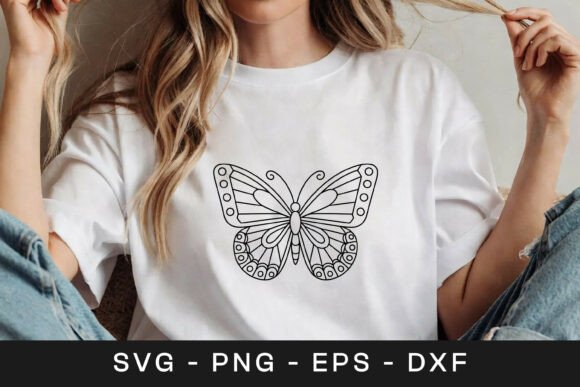
Review: Classic Butterfly Outline Graphic SVG for Embroidery
As a designer who spends more time staring at stitch simulations than I do sleeping, I approach every new digital embroidery file with a healthy dose of skepticism. We have all been there: you download a beautiful graphic, load it into your software, and realize halfway through the stitching process that the density is all wrong or the details are too fine for the fabric you chose. That is why I took a close look at the Classic Butterfly Outline Graphic SVG before committing it to any client work or handmade product lines. This isn't just about whether the image looks pretty on a screen; it is about how it translates into thread, how it holds up after a wash, and whether it adds genuine value to a craft business.
First Impressions and Design Personality
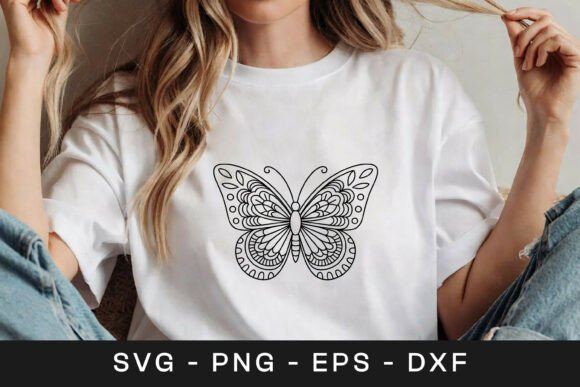
The moment I imported the Classic Butterfly Outline Graphic SVG into my design software, the clean lines stood out immediately. In the world of Crafts and Graphics, simplicity often wins, but it has to be executed with precision. This design carries a timeless, organic mood. It feels less like a cartoon and more like a botanical sketch, which gives it a sophisticated edge suitable for boutique branding rather than just children's items. The outline style suggests movement and lightness, avoiding the heavy, blocky feel that sometimes plagues digitized images.
For an embroidery project, this visual personality is crucial. An outline graphic relies entirely on the quality of the path. If the curves are jagged or the points are too sharp, the needle will struggle, resulting in puckering or thread breaks. My initial assessment is that the vector paths here are smooth, which is a promising sign for a clean running stitch or a narrow satin stitch application. It creates a silhouette that is recognizable even from a distance, a key factor for custom apparel where impact matters.
Real-World Application: The Tote Bag Test
To truly evaluate this asset, I envisioned a specific real-life scenario: a custom order for a local farmer's market vendor who needed branded tote bag design elements. She wanted something elegant that wouldn't overpower the natural canvas texture of her bags. The Classic Butterfly Outline Graphic SVG fit this brief perfectly. Unlike a dense fill stitch design that might make the fabric stiff and uncomfortable to carry, an outline design allows the texture of the tote to breathe.
In this context, the design acts as a subtle stamp of quality. When a customer sees a crisp, well-stitched butterfly on a bag, it elevates the perceived value of the entire finished product. It signals that the maker cares about aesthetics and detail. I could easily see this working as a central motif on a large shopper or as a smaller accent on a zippered pouch. For an Etsy seller, this versatility is gold. You aren't locked into one niche; this graphic bridges the gap between nursery decor and adult fashion accessories.
Versatility Across Different Products
Beyond tote bags, the potential applications for this machine embroidery design are extensive. Because it is an outline, it scales relatively well, provided you respect the limits of your machine and thread. Here is how I see it performing across different categories:
- Sweatshirt Embroidery: On fleece or French terry, an outline prevents the "cardboard effect" where the fabric becomes stiff. It adds a touch of nature-inspired whimsy to casual wear.
- Baby Embroidery: Softness is paramount for infant clothing. This design, when stitched with a soft rayon or polyester thread, creates a gentle decoration for onesies or bibs without irritating sensitive skin.
- Embroidered Patch Creation: The clear boundaries of the outline make it an excellent candidate for creating custom patches. You can easily build a merrowed edge around the shape.
- Holiday Embroidery and Gifts: For spring-themed projects or Easter gifts, this butterfly serves as a classic symbol of renewal. It works beautifully on kitchen towels or pillow covers.
- Commercial Embroidery: For larger runs, the simplicity of the design likely means fewer thread changes and faster cycle times, improving profit margins for small shop products.
Technical Considerations and Fabric Challenges
However, no design is without its challenges, and a professional review must address where caution is needed. While the Classic Butterfly Outline Graphic SVG is versatile, it demands respect regarding fabric choice and stabilization.
If you are working on stretchy fabric like jersey knit, an outline can sometimes distort if the fabric stretches during wear, making the wings look warped. In these cases, using a high-quality cutaway stabilizer is non-negotiable. Similarly, on textured fabrics like heavy canvas or waffle weave, a single run of stitching might get lost in the grain. You may need to adjust your thread colors to ensure high contrast or consider doubling the stitch count if your software allows, though you must verify the license permits modification.
Another critical area is hoop size and placement. If you intend to use this on curved surfaces like caps or hats, the geometry of the butterfly needs to be adjusted to compensate for the curvature. A flat design stitched directly onto a cap front can look skewed. Furthermore, if you are downsizing the graphic for a small pocket logo, watch out for the tiny details in the wing patterns. If the gaps become too small, the threads may bridge together, ruining the definition. Always test the design on scrap fabric first, especially when pushing the limits of size.
Enhancing Brand Value and Customer Trust
Ultimately, the choice of design assets reflects on your brand. Using a polished, professional graphic like the Classic Butterfly Outline Graphic SVG contributes to brand consistency. When customers receive a personalized gift or a piece of custom apparel that features a clean, intentional design, their trust in your craftsmanship grows. It shows that you didn't just grab the first free clipart you found; you selected a tool that enhances the medium of embroidery.
For those creating printable mockups to sell digital products or preview physical goods, this SVG offers excellent clarity. The lines are distinct enough to look good in a black-and-white proof, which helps clients visualize the final result regardless of their color preferences. This clarity translates to better buyer engagement on platforms like Etsy, where visual presentation drives sales.
Final Designer Notes and Best Practices
Before you dive into production with the Classic Butterfly Outline Graphic SVG, here are a few practical steps I recommend based on experience:
- Check the License: Always confirm the licensing terms provided with the file. Ensure it covers commercial use if you plan to sell finished items or digital derivatives.
- Digitize with Care: If the file is a pure SVG, remember that it is not yet an embroidery file (like PES, DST, or EXP). You will need to digitize it or use auto-digitizing software. Pay attention to stitch density; outlines should not be too sparse or they will look skimpy, nor too dense or they will pucker.
- Contrast is Key: Test the design on both light and dark backgrounds. An outline that looks great on white cotton might vanish on navy blue fleece unless you choose the right thread weight and color.
- Stabilizer Selection: Match your stabilizer to your fabric. For woven cottons, a tear-away might suffice, but for knits and stretchy materials, stick to cutaway options to maintain the shape of the butterfly over time.
- Mockup Testing: Create a physical sample before promising a delivery date to a client. See how the applique design or outline behaves after a wash cycle.
In conclusion, the Classic Butterfly Outline Graphic SVG is a strong contender for any designer's library. It balances aesthetic appeal with practical functionality, making it a reliable choice for everything from small shop product lines to one-off personalized gifts. By understanding its strengths and respecting its limitations regarding fabric and tension, you can turn this simple graphic into a standout element of your embroidery project portfolio.