Reviewing My First Fathers Day Minimal Quote for Stitch
As a designer who spends more time staring at stitch maps than most people spend watching television, I approach every new machine embroidery design with a mix of excitement and skepticism. We have all downloaded a file that looked perfect on the screen, only to watch it pucker into an unrecognizable mess on the hoop. That is why I took a close look at the My First Fathers Day Minimal Quote before committing it to a client project. This isn't just about whether the graphic looks cute; it is about whether it holds up under the needle, survives the wash, and actually sells in a crowded marketplace.
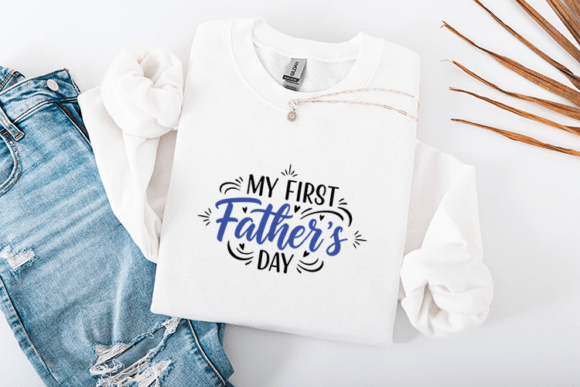
The first thing that strikes me about this design is its restraint. In a world of overly complicated, dense fills that eat up thread and time, this piece leans heavily into modern typography. The description promises "clean modern typography with subtle decorative elements," and visually, it delivers. The mood is calm, celebratory, and timeless. It avoids the trap of looking like a generic clip-art throwback. Instead, it feels like something you would see on a high-end boutique sweatshirt or a carefully curated nursery print. For an Etsy seller or a small shop owner, this visual personality is gold because it appeals to the current trend of minimalist aesthetics without sacrificing the emotional weight of the occasion.
Real-World Application: The Tote Bag Test
To truly evaluate an embroidery file, you have to imagine it on a physical object. I mentally placed this design on a natural canvas tote bag, a staple item for any craft business. The layout, being 12 x 12 inches in its digital form, offers significant flexibility. On a tote, centered on the front panel, the clean lines of the text would pop beautifully against the textured weave of the canvas. Unlike complex applique design work that might get lost in the fabric grain, the bold nature of this quote ensures readability from a distance.
I also envisioned this on a heather grey sweatshirt. This is where the "subtle decorative elements" mentioned in the product details become critical. If these elements are too fine, they risk getting swallowed by the fleece texture. However, given the minimal nature of the overall composition, it suggests that the design relies on strong outlines rather than tiny, fragile details. For sweatshirt embroidery, this is ideal. It means less chance of thread breakage and a cleaner finished product that doesn't feel stiff or heavy on the garment. A customer receiving this as a personalized gift would appreciate the soft hand-feel that comes from a design that doesn't over-stitch the fabric.
Navigating Fabric Challenges and Stitch Density
While the design shines on stable fabrics like cotton twill or canvas, we must discuss where caution is needed. The prompt notes the file formats include AI, EPS, PDF, SVG, JPG, and PNG. It is crucial to remember that these are Graphics formats, not native machine embroidery files like PES or DST. As a professional, my immediate note is that you will need to digitize this artwork or use software to convert it into a stitch file before it hits your machine. This gives you control over the stitch density, which is vital.
If you are converting this for a stretchy baby onesie, you must be careful with the running stitch lengths. Long runs can gap when the fabric stretches, ruining the crisp look of the typography. Conversely, if you are stitching this onto a structured cap, the curvature of the surface can distort the text. The 12-inch width is quite large for a standard cap front, so you would likely need to scale it down significantly. When scaling down, ensure the smallest decorative flourishes do not become so tiny that the needle punches through them repeatedly, causing bird nests and frustration.
For dark fabrics, the contrast of the thread colors becomes the defining factor. Since this is a minimal quote, it likely relies on a single color or a two-tone scheme. On a navy blue hoodie, a white or light grey thread would create a stunning, high-contrast look. However, if you choose a tone-on-tone approach, say, black thread on a black apron, the success of the project depends entirely on the sheen of the thread and the precision of the satin stitch borders. Always test your thread choice on a scrap piece of the actual garment fabric. Do not skip this step; lighting in your studio is different from lighting in a customer's home.
Commercial Viability and Brand Consistency
From a business perspective, the My First Fathers Day Minimal Quote is a versatile asset. It fits seamlessly into a craft business model that values speed and quality. Because the design is not overly dense, it stitches out faster than a full-color portrait, allowing you to produce more units during peak holiday seasons. This efficiency directly impacts your profit margins.
Furthermore, the clean aesthetic supports brand consistency. If your shop specializes in modern, understated goods, this design reinforces that identity. It tells the buyer that you care about style, not just novelty. When used in printable mockup previews for your online store, the clarity of the vector-based source files (AI, EPS, SVG) ensures your marketing images look sharp and professional. Blurry previews kill sales; crisp graphics build trust.
However, a word of warning regarding licensing and file usage: The product details list standard graphic formats. Before selling finished items or digital products derived from this, you must confirm the specific license terms associated with the purchase. Just because you can open the SVG in your embroidery software does not automatically grant commercial rights for mass production. Always verify if the license covers commercial embroidery or if it is limited to personal use. This due diligence protects your small shop product line from legal headaches down the road.
Final Verdict for the Maker
In conclusion, the My First Fathers Day Minimal Quote is a strong contender for your next embroidery project. Its strength lies in its simplicity and adaptability across various mediums, from tote bag design to baby embroidery. It avoids the clutter that often dates holiday designs, ensuring the finished product remains relevant and cherished long after Father's Day has passed.
My advice is to treat the source files as a high-quality foundation. Take the time to digitize or convert them with care, paying attention to underlay stitches and pull compensation, especially if you are working with tricky fabrics like pique knit or velvet. Test your hoop size to ensure the 12-inch dimension fits your machine's capabilities, or be prepared to split the design if necessary. With the right preparation and a keen eye for detail, this design can elevate your handmade product offerings, providing a touch of elegance that customers are actively seeking. It is a reminder that sometimes, saying less with your stitches says much more about your skill as a creator.